The Cars

America's Automotive Industrial Complex

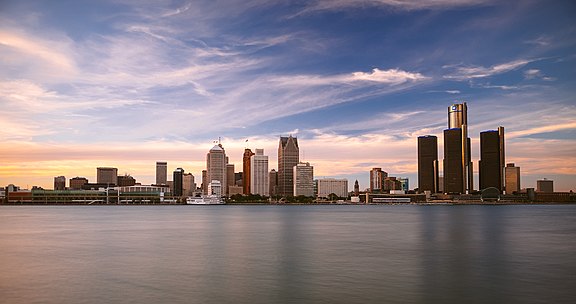
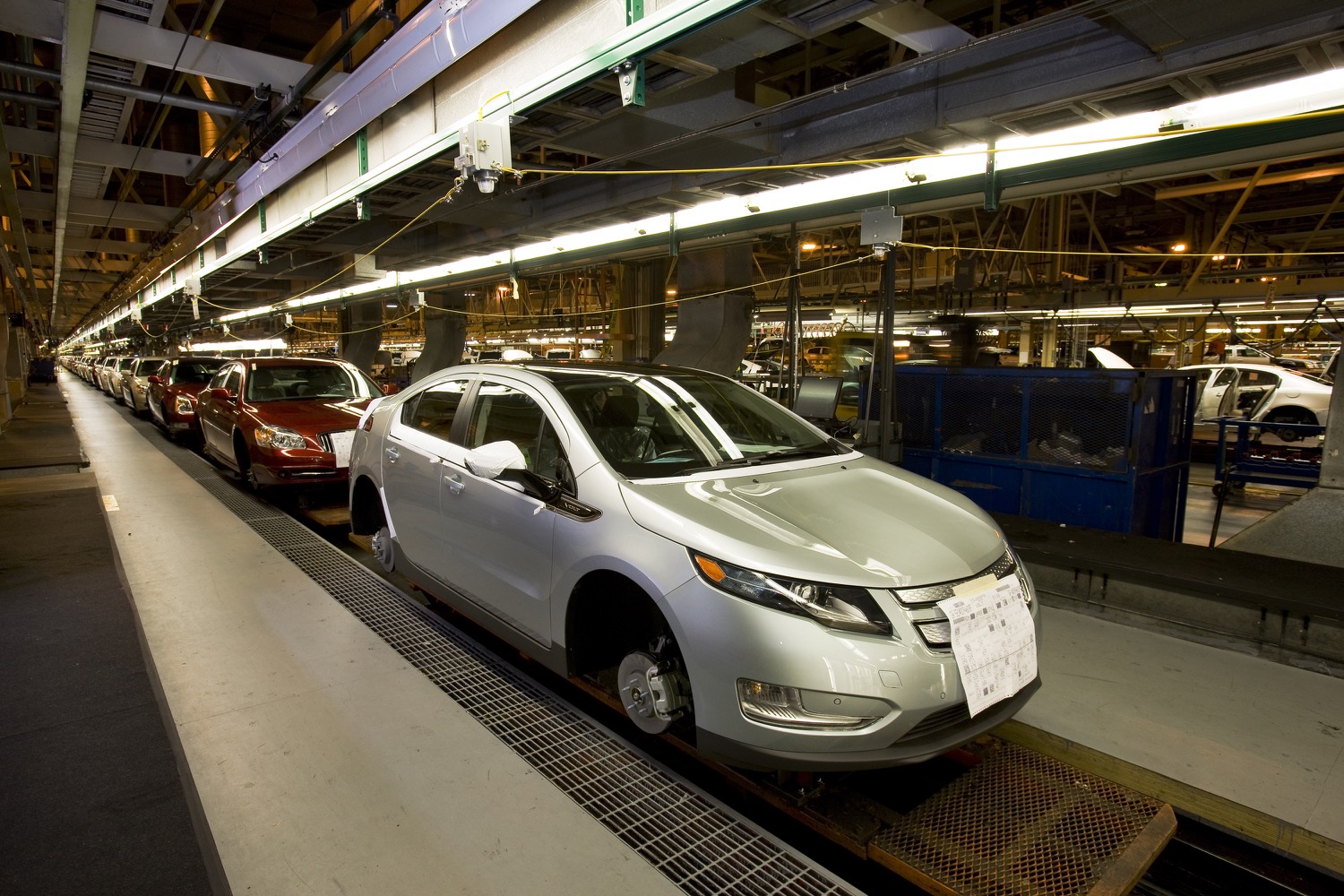
Detroit, often called the “Motor City,” stands as the heart of America’s automotive industrial complex. Beginning in the early 20th century, the city became the epicenter of automobile innovation and mass production, largely due to pioneers like Henry Ford, whose assembly line revolutionized manufacturing. Detroit’s factories churned out cars that transformed American life, making personal vehicles accessible to the middle class and fueling a sprawling transportation network. Major automakers—Ford, General Motors, and Chrysler—established headquarters and massive plants in the city, attracting a workforce that turned Detroit into a thriving industrial hub. The city’s economy, culture, and identity became intertwined with automobiles, with skilled labor, engineering expertise, and innovation concentrated within its borders. This industrial focus also shaped urban development, social structures, and migration patterns, as workers from across the country moved to Detroit seeking opportunity. Even amid economic shifts and challenges, Detroit’s legacy as the engine of America’s automotive industry remains central to its identity, symbolizing both industrial might and the transformative power of innovation in shaping modern society.

Inner working's of a General Motors Hamtramck assembly facility

The Music

Motown Records

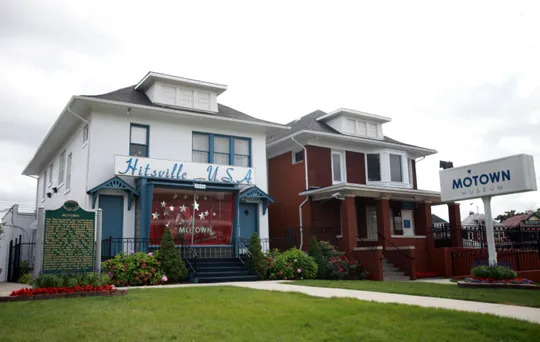
Motown Records, founded in Detroit in 1959 by Berry Gordy Jr., is one of the most influential music labels in American history. Known as “Hitsville U.S.A.,” Motown became a cultural powerhouse by producing a distinctive sound that blended soulful vocals, pop melodies, and rhythmic grooves, appealing to diverse audiences across racial lines. The label launched the careers of legendary artists such as Stevie Wonder, Marvin Gaye, Diana Ross and The Supremes, The Temptations, and The Jackson 5, creating a roster of talent that defined the sound of a generation. Motown’s success was not only musical but also strategic; it developed a rigorous artist development program that emphasized performance, style, and professionalism, shaping performers into global icons. Beyond its commercial achievements, Motown played a pivotal role in the civil rights era, breaking racial barriers in mainstream media and giving Black artists unprecedented visibility. Its influence extends beyond music, impacting fashion, dance, and popular culture worldwide. Even decades later, Motown’s legacy endures as a symbol of innovation, cultural pride, and the transformative power of music.

The Motown Museum

The Art

Detroit Institute of Arts

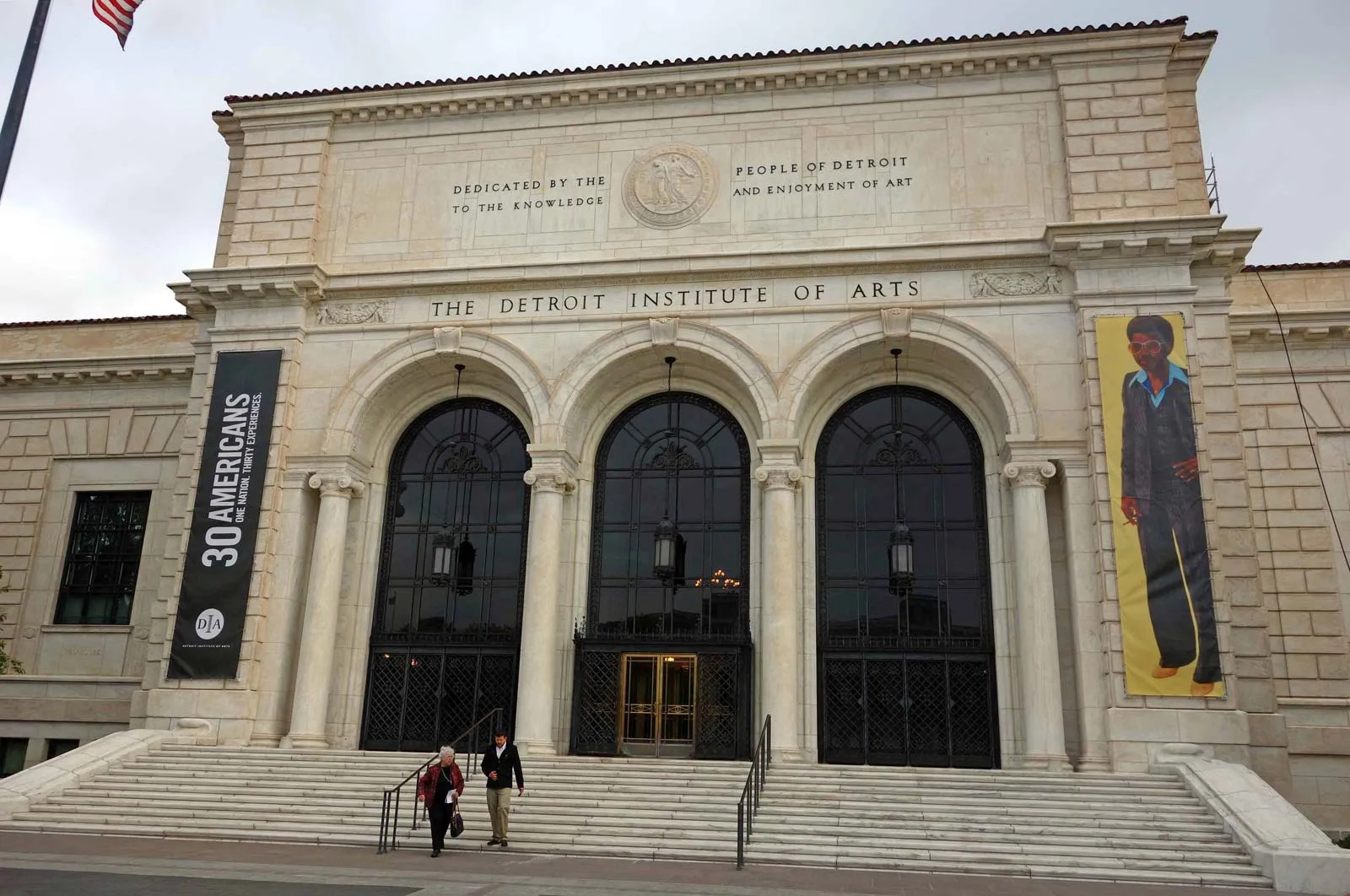
The Detroit Institute of Arts (DIA) is one of the United States’ premier art museums, renowned for its vast and diverse collection spanning centuries and cultures. Located in Midtown Detroit, the DIA houses over 65,000 works, including European masterpieces, American art, African and Asian art, contemporary pieces, and ancient artifacts. Its most famous feature is Diego Rivera’s monumental “Detroit Industry Murals,” which celebrate the city’s automotive heritage and the labor force that fueled it. Beyond its permanent collection, the DIA offers rotating exhibitions, educational programs, and community outreach, making art accessible to all audiences. The museum is not just a cultural landmark but also a symbol of Detroit’s resilience and commitment to creativity, even through economic challenges. Architecturally impressive, the DIA combines classical and modern design elements, providing an inspiring space for reflection and learning. Its galleries foster appreciation for artistic achievement while highlighting connections between art, history, and society. The Detroit Institute of Arts stands as both a local treasure and an internationally recognized institution, reflecting the city’s dedication to cultural enrichment and public engagement.

The Detroit Institute of Arts frontage during the day

Get in touch